Ever popped the hood, pulled out the dipstick, and wondered about the journey that liquid takes? Engine oil is the protector of your car, embarking on a relentless, high-speed tour through the heart of your engine every time you turn the key.
It's more than just a simple fluid; it's a tireless guardian. It dives into the hottest, most violent parts of the internal combustion engine, shielding critical components from a fiery, grinding demise. Without it, the symphony of controlled explosions that powers your drive would become a death rattle of seizing metal.
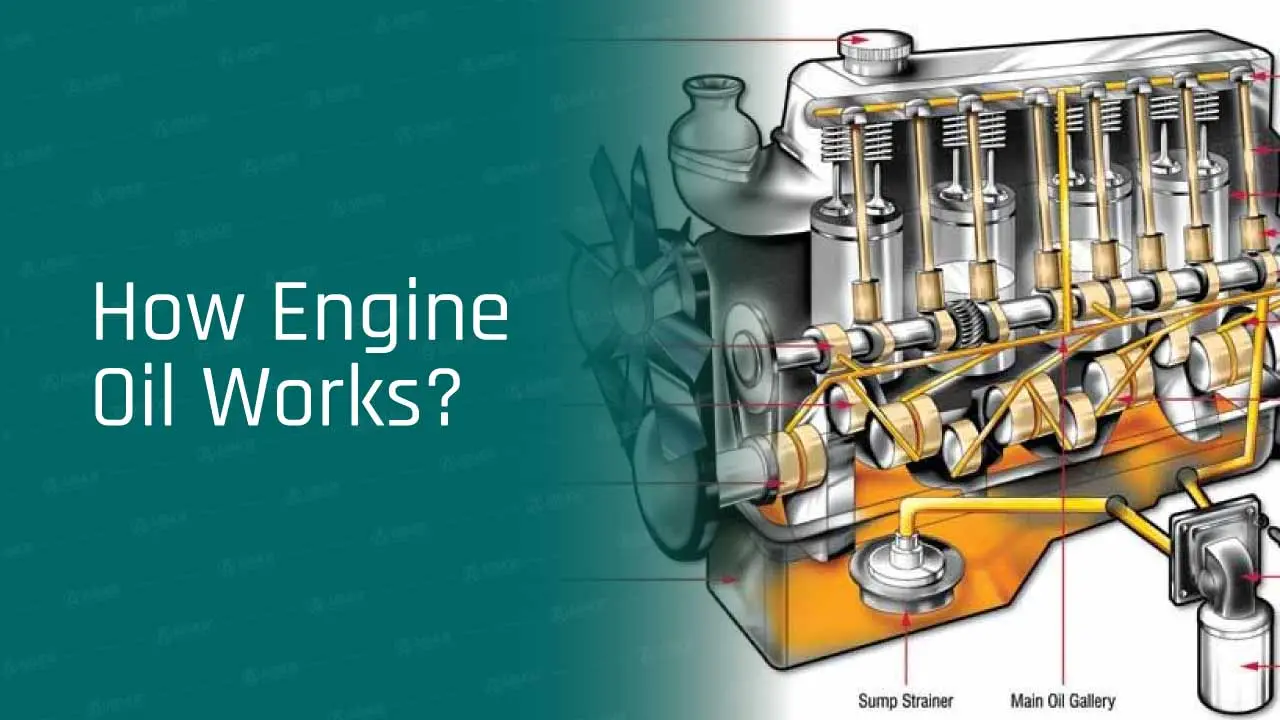
When you pour motor oil into your engine, it begins a continuous cycle. The journey starts and ends in the oil pan, a reservoir at the bottom of the engine where the oil is stored. From here, it circulates to every critical part, ensuring protection and performance.
The oil pan, located at the very bottom of the engine, acts as the main storage sump for the motor oil. When the engine is off, gravity pulls all the oil back into this pan. Its capacity is designed to hold the entire volume of oil your engine needs, plus a little extra.
The oil pump, a critical component, is also housed here. When you start your car, the pump immediately begins to draw oil from the oil pan and pressurize it, initiating its journey throughout the engine's intricate network of passages.
The oil pump is the heart of the lubrication system. It draws oil from the oil pan through a pickup tube and screen, which filters out larger debris. The pressurized oil then flows to the oil filter for further cleaning, removing smaller contaminants that could harm engine components.
From the filter, the clean oil is forced through a series of passages and channels known as oil galleries. This network is like the engine's circulatory system, delivering a constant supply of oil to every moving part that needs it, from the crankshaft deep inside the engine to the valvetrain at the top.
The engine oil route is meticulously engineered. It ensures that components like bearings, pistons, and camshafts receive a steady stream. For instance, oil lubricates the crankshaft and its bearings, then spray oil is directed onto the cylinder walls to lubricate the pistons and rings.
Engine oil performs several crucial tasks beyond simple lubrication. Its properties allow it to withstand extreme temperatures and pressures, protecting the engine from wear and tear, heat, and corrosion. These functions are vital for the longevity and efficiency of your engine.
The primary role of engine oil is to reduce friction. It forms a thin film of oil between moving engine parts, preventing direct metal-to-metal contact. This barrier is essential for minimizing wear and allowing components to glide smoothly over one another.
Without this lubricating film, the intense friction would generate immense heat, causing parts to weld together and leading to engine seizure. Engine oil reduces friction, which also helps improve fuel efficiency, as less energy is wasted overcoming resistance.
Internal combustion engines generate a tremendous amount of heat. While the cooling system handles the bulk of this, engine oil plays a significant supporting role. It absorbs heat from areas the coolant cannot reach, such as the pistons, crankshaft, and bearings.
As the oil circulates, it carries this heat away from these critical components and back to the oil pan. The pan's large surface area allows the oil to cool down before it's pumped back through the engine. This process helps maintain a stable operating temperature and prevents engine overheating.
An engine produces contaminants during normal operation, including soot, sludge, and tiny metal particles from wear. Engine oil is formulated with detergents and dispersants that help in keeping your engine clean.
These additives capture the debris and hold it in suspension within the oil. The particles are then carried to the oil filter, where they are trapped. This cleaning action prevents the buildup of harmful deposits and sludge, which could otherwise clog oil passages and cause damage. Regular engine oil changes are essential to remove these trapped contaminants.
It's normal for an engine to consume a small amount of oil between changes. This is often referred to as "burning oil." However, excessive oil consumption can indicate a problem. Understanding the difference is key to maintaining engine health.
Yes, a very small amount of oil is designed to go into the cylinder. As pistons move up and down, a thin layer of oil lubricates the cylinder walls and piston rings. The rings are designed to control this oil film, leaving just enough to lubricate but scraping the excess back down into the oil pan.
During combustion, this microscopic layer of oil is burned away along with the air-fuel mixture. This is a normal part of engine operation and a primary reason for slight oil consumption in a healthy engine. The amount is so minimal that it's usually unnoticeable.
Piston rings are not perfect seals. A tiny amount of combustion gas can blow by the rings into the crankcase, and a small amount of oil can get past them into the combustion chamber. As an engine ages, these rings can wear, increasing the amount of oil that gets by.
Similarly, the car oil valve system at the top of the engine is sealed by valve stem seals. These seals prevent oil from the valvetrain from leaking down the valve stems and into the combustion chamber. Over time, these seals can harden and crack, allowing oil to seep through, which is another reason why an engine is burning oil.
If you find yourself having to add a quart of oil frequently, your engine is likely experiencing excessive oil consumption. This is often due to worn engine components. Worn piston rings, cylinder walls, or valve seals allow more oil to enter the combustion chamber and burn away.
Another potential cause is a malfunctioning Positive Crankcase Ventilation (PCV) valve. This valve is supposed to relieve crankcase pressure, but if it gets stuck, it can cause pressure to build up, forcing oil past seals and gaskets. Addressing the root cause is crucial to prevent further engine damage.
Running an engine without enough oil is one of the most damaging things that can happen to it. The consequences range from accelerated wear to complete engine failure. Checking your oil level regularly is a simple task that can prevent catastrophic and expensive repairs.
When the oil level is low, the oil pump may start to draw in air instead of oil. This aerates the remaining oil, reducing its ability to lubricate effectively and lowering oil pressure. The warning light on your dashboard may flicker or stay on, indicating dangerously low oil pressure.
Without a consistent film of oil, friction between moving parts skyrockets. The engine temperature will rise rapidly, and you may hear loud knocking or grinding noises. These are signs that the engine components are making metal-to-metal contact and beginning to sustain serious damage.
If the engine continues to run without oil, the lack of lubrication and extreme heat will cause parts to fail. Bearings will seize, the camshaft can be damaged, and pistons can weld themselves to the cylinder walls. The engine would quickly lock up, an event known as seizure.
At this point, the engine is effectively destroyed. The cost of rebuilding or replacing an engine that has seized due to oil starvation is substantial. This highlights why it's critical to react immediately if you suspect your car runs out of oil or the oil pressure light comes on.
Properly maintaining your vehicle’s oil is a cornerstone of engine care. It involves more than just getting an oil change every few thousand miles. You should regularly check your oil level and understand what type of engine oil your engine needs.
Checking your oil is simple. Park your car on level ground and wait for the engine to cool down for at least 10 minutes to allow the oil to settle in the oil pan. Locate the oil dipstick, pull it out, and wipe it clean with a rag.
Reinsert the dipstick fully, then pull it out again to read the level. The oil on the dipstick should be between the "Full" and "Add" marks. If the oil level is low, you'll need to add oil. Always use the type of oil recommended by your vehicle’s manufacturer.
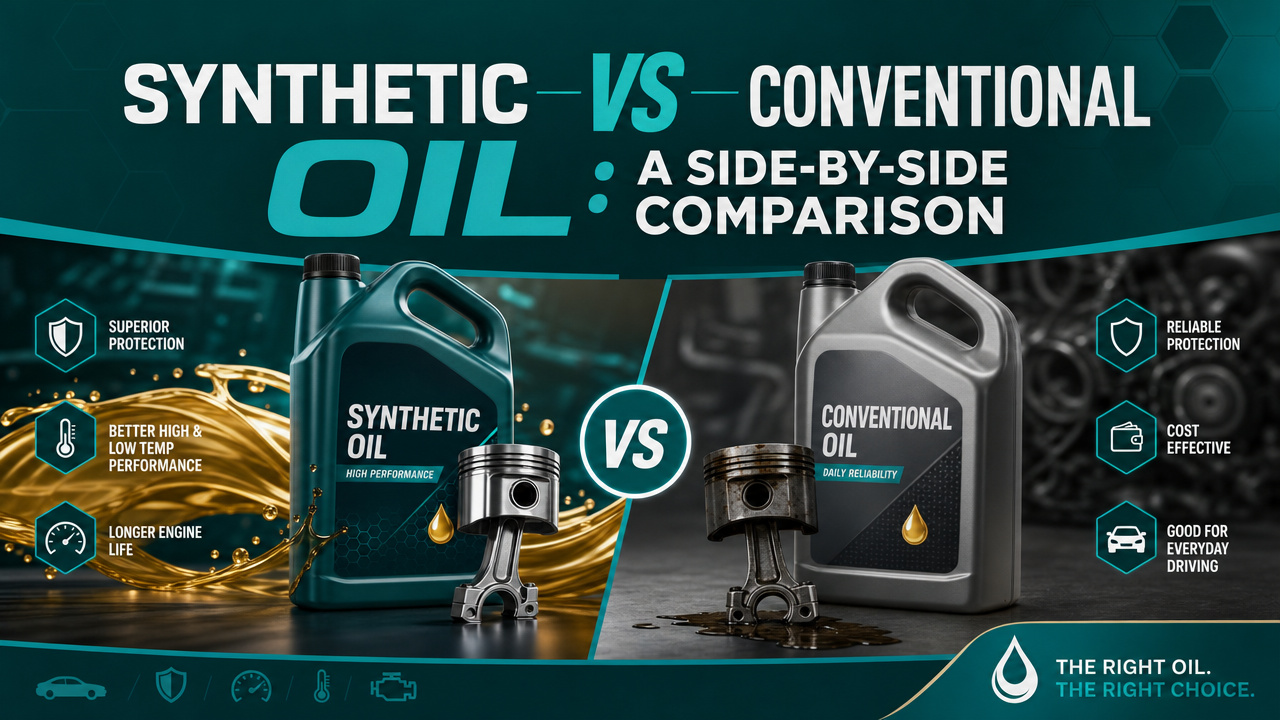
There are several types of motor oil, primarily conventional, synthetic, and synthetic blends. Conventional oil is refined from crude oil, while synthetic oil is created through a chemical process, resulting in more uniform oil molecules and enhanced performance.
Synthetic oil and synthetic motor oil offer superior protection, especially in extreme temperatures, and can last longer between oil change intervals. The right oil for your vehicle depends on its age, mileage, and the manufacturer's specifications. Using the correct oil viscosity, or thickness, is also critical for proper lubrication.
Changing the oil is vital for engine longevity. Over time, oil breaks down and becomes saturated with contaminants. Even the best oil filter can't remove everything, and the additives in the oil get depleted.
Regular oil changes remove the old, dirty oil and replace it with fresh, clean oil. This ensures your engine parts are always protected. Adhering to the recommended engine oil change schedule is one of the most important things you can do to keep your engine running smoothly for years to come.
Most of the oil circulates continuously within the engine, moving from the oil pan to lubricate components before returning. A very small amount is consumed by being burned away in the combustion chamber, which is normal. Leaks or worn parts can cause it to be lost externally or consumed at a higher rate.
Used motor oil is a hazardous waste and should be disposed of properly. Reputable service centers and many auto parts stores collect used oil. It is then sent to specialized facilities where it can be recycled and re-refined into new lubricating oil or processed for use as fuel.
Consumed oil is burned in the engine's combustion chambers along with the air and fuel mixture. It enters this area in microscopic amounts past the piston rings and valve seals. The burned oil is then expelled from the engine through the exhaust system along with other combustion byproducts.
Engines consume oil primarily in two ways. A thin film of oil on the cylinder walls gets burned off during combustion. Additionally, worn components like piston rings or valve stem seals can allow small amounts of oil to leak into the combustion chamber, where it is also burned.
Motor oil circulation starts when the oil pump draws oil from the oil pan at the bottom of the engine. The pump pressurizes the oil and sends it through the oil filter. From there, it travels through a network of internal passages (oil galleries) to lubricate the crankshaft, pistons, camshaft, and valvetrain before dripping back down into the oil pan to repeat the cycle.
Oil circulates via a pressurized system driven by the oil pump. It's pulled from the oil pan, cleaned by the filter, and then forced through dedicated channels to all moving parts. Gravity then pulls the oil back down to the pan, completing the circuit. This continuous loop ensures constant lubrication, cooling, and cleaning.
Selecting the appropriate engine oil for diesel engines is a crucial step in maintaining the health and performance of your vehicle. A high-quality high-performance lubricant is essential for ensuring that engine components are protected against wear, rust, and corrosion. The use of a synthetic formulation is highly recommended, as it offers resistance to thermal breakdown and provides enhanced lubrication in a wide range of operating conditions.
It is important to choose a product that is specifically engineered to meet the demands of modern diesel engines. A premium diesel engine oil synthetic is formulated with advanced additives that can reduce friction and extend the engines life. Armor Lubricants is one of the best diesel engine oil manufacturer in the UAE provides premium engine oil to deliver excellent performance and protection.