
Summer car maintenance is as important to every car owner! Summer heat can reach 60 degrees levels in some countries like the UAE or Saudi Arabia! which can be dangerous to your engine! Few steps are all you need to have safe trips during the summer seasons.
Ensure your tires are in good condition for hot asphalt! the process is easy and only takes few minutes!
Inspect Tread Depth
Check Tire Pressure
Examine for Wear and Damage
Keeping your car’s fluids at optimal levels is vital for its performance and longevity. Here's how to monitor and maintain fluid levels:
Coolant
Heat is the main problem in summer. Engine coolant plays the main role to cool down your car (along with other cooling fluids of course). With the extra heat from the sun, you need to ensure you have enough coolant in your vehicle. Don't just choose any coolant! The right engine coolant can extend your engine's life.
Engine Oil
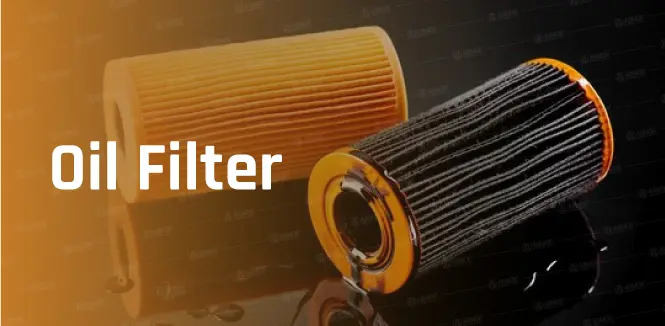
Unless you have an electric car, you need to use engine oil to protect engine parts, and reduce petrol or diesel consumption. Here is how you can check engine oil levels in your car.
Brake Fluid
We recommend checking brake fluid once every 3 to 4 months! Usually, it is not important to change it, but better safe than sorry, especially when it is how braking force is transmitted to brakes!
Choosing the right brake fluid depends on your vehicle’s requirements and driving style. Read this blog to know the difference.
Windshield Washer Fluid
The last thing you want is to have an empty battery in the middle of the road on a hot day! A well-maintained battery prevents these accidents. Here’s how to inspect your car’s battery:
Check for Corrosion
Inspect the Terminals
Test the Battery
Look for Damage
A functioning air conditioning system is essential for comfort during summer drives. Here’s how to maintain and check your car’s AC system:
Test the System
Check Refrigerant Levels
Inspect for Leaks
Clean or Replace the Cabin Air Filter
Check the AC Compressor
Making sure your brakes work fine is essential part of summer car maintenance. How do you make sure the brakes are safe? There are multiple simple tests to know that.
Listen for Unusual Noises
Feel for Vibrations
This is more like an ongoing inspection not a test you have before summer months. while you are driving, pay attention to the vibration when braking. If you notice frequent pulsations or vibrations in the brake pedal or steering wheel visit a mechanic to address the issue.
Inspect Brake Pads and Rotors
Examine the brake pads through the wheel spokes. Pads are consumed overtime, when the thickness is less than 1/4 inch it is replacement time. You also need to look at the rotor for deep grooves or uneven wear.
Check Brake Fluid
Check the fluid levels as explained above.
Test Brake Performance
At low speeds, test the brakes to ensure the car stops smoothly and straight. You will know there is a problem if you feel the car pulls to one side. In case this happens, we advise you to seek professional inspection for potential brake system issues.
Summer equals more heat, and proper summer car care is the same as proper engine cooling. There are many ways to do so, here are some of them:
Check Coolant Levels
Inspect the coolant reservoir when the engine is cold to make sure the level is between max and min on gauge.
Inspect the Radiator and Hoses
Have a visual check, look for leaks, or any signs of damage in the radiator or hoses. Replace damage parts you find and secure all connections.
Clean the Radiator
Debris and dirt accumulate in the radiator fins gradually. in the beginning of summer, use a soft brush or compressed air to clean the fins carefully.
Check the Radiator Cap
Inspect the radiator cap for wear or damage and replace when faulty. early replacement prevents coolant loss thus prevents overheating.
Ensure the Fan is Working
Start the car and let it idle. Observe if the radiator fan activates as the engine heats up. If the fan doesn’t engage, it may indicate a faulty fan motor or relay.
Monitor the Temperature Gauge
Watch the temperature gauge while driving. Consistently high readings may signal a cooling system problem needing immediate attention.
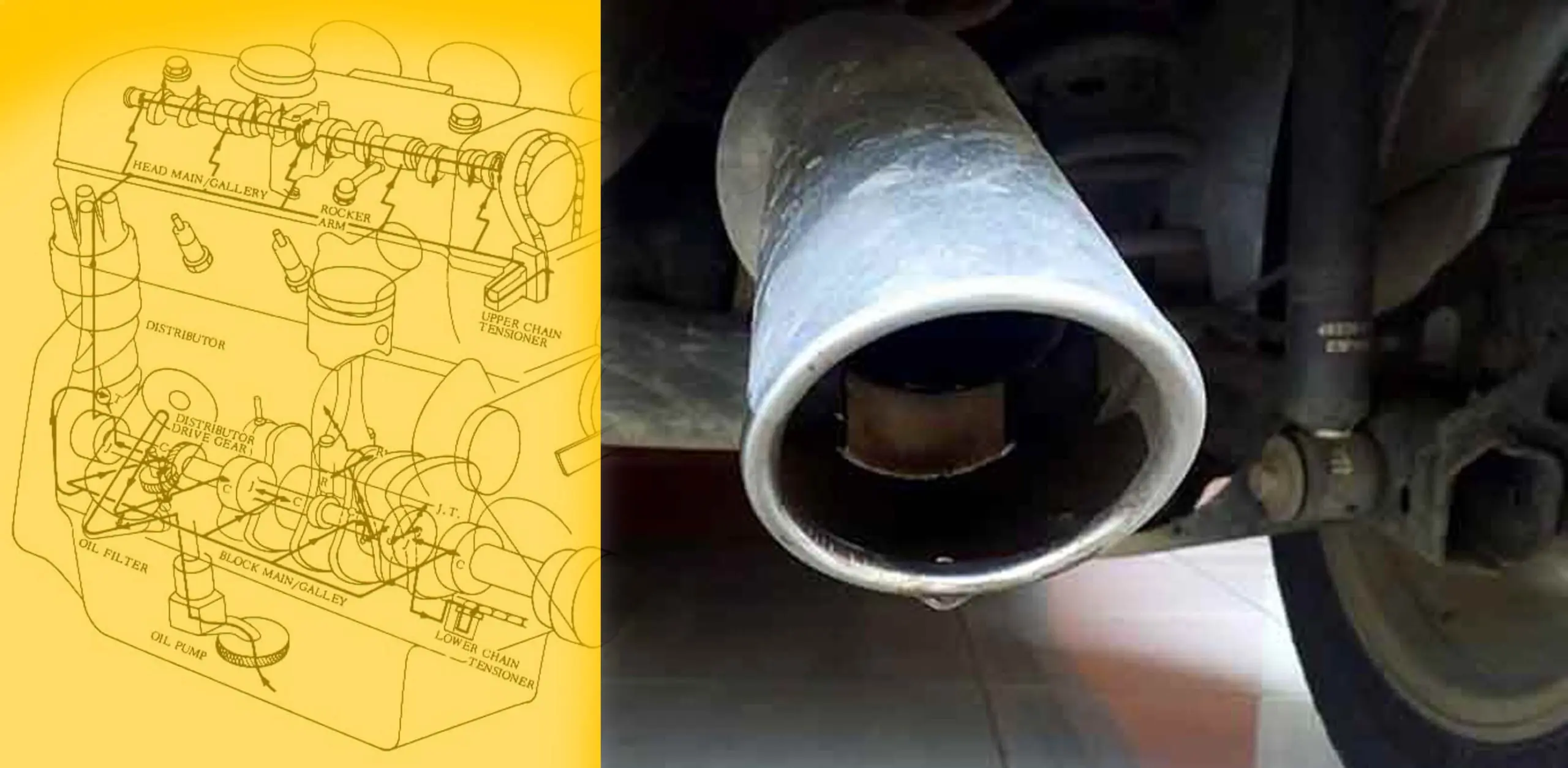
Maintaining your exhaust system ensures your car runs efficiently and reduces emissions.
Visually Inspect the Exhaust Pipes:
Look for any visible signs of rust. Optimal pipes should not have holes nor any symbols of damage. Pay special attention to areas where the pipes bend or connect. Connection areas are more prone to damages.
Check for Leaks
Start the engine and listen for unusual noises such as hissing or popping sounds. Feel around the exhaust pipes for any air leaks. Be careful, as the exhaust system can get very hot.
Inspect the Muffler
Examine the muffler for signs of rust, damage, or excessive noise.
Check the Catalytic Converter
Ensure the catalytic converter is securely attached and free of damage.
The air filter plays a vital role in maintaining engine cleanliness and efficiency. Here's a step-by-step guide to checking it and understanding its significance:
Locate the Air Filter Housing
Identify the air filter housing, typically a black box situated near the engine.
Open the Housing
Unclip or unscrew the cover of the housing to reveal the air filter inside.
Remove and Inspect the Air Filter
Replace if Necessary
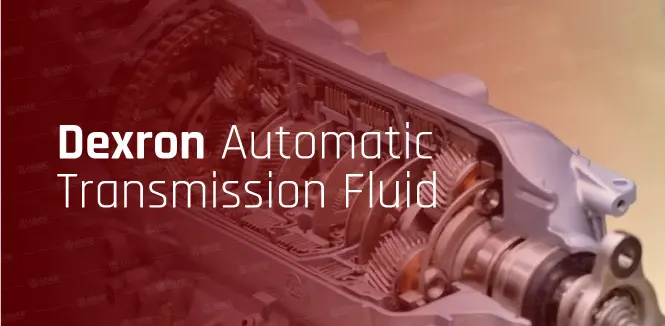
Part of car maintenance tips for summer is to monitor transmission fluid levels. Follow these steps
Locate the Transmission Dipstick
Find the transmission dipstick, usually near the back of the engine bay.
Check Fluid Level
Inspect Fluid Condition
Observe the color and smell of the fluid. Healthy transmission fluid is typically pinkish-red and has a sweet smell.
If the fluid is dark or smells burnt, you need oil change.
Top Up if Needed
If the fluid level is low, add the recommended transmission fluid type. Pour in small amounts, checking the level frequently to avoid overfilling.
Lubricate Door Seals
Lubricating door seals helps maintain their flexibility, preventing leaks and reducing noise. Here’s how to do it:
Choose the Right Lubricant
Clean the Seals
Apply the Lubricant
Remove Excess Lubricant
"